Dear Give to the World family,
As instability continues to surface in different parts of the world, the humanitarian landscape grows more complex. In moments like these, it becomes even more important to invest in strong local organizations that can respond swiftly and responsibly to protect families and preserve dignity.
Around the world, conflict and disasters continue to push families to the brink—fueling displacement, economic strain, and insecurity. Yet only 1.2% of humanitarian funding reaches the trusted local actors best equipped to respond.
At the same time, the global funding environment is shifting. As large institutional streams become less predictable, community-based organizations are carrying increased responsibility with fewer safety nets. That’s the gap we’re here to close—and you’re making it possible.
In 2025, your support helped communities rebuild schools, restore critical healthcare, and recover from natural disasters. Together, we expanded mental health services, empowered young leaders, and increased access to opportunity through solar-powered solutions.
And in 2026, we’re going further—deepening local partnerships and accelerating practical, community-driven solutions where they’re needed most.
Take a few minutes to see the impact you made in 2025 — and the work ahead in 2026.
With gratitude,
Gabriela Velez
Executive Director
Philippines – MARADECA: Restoring Livelihoods & Resilience
Why Livelihoods Matter Now
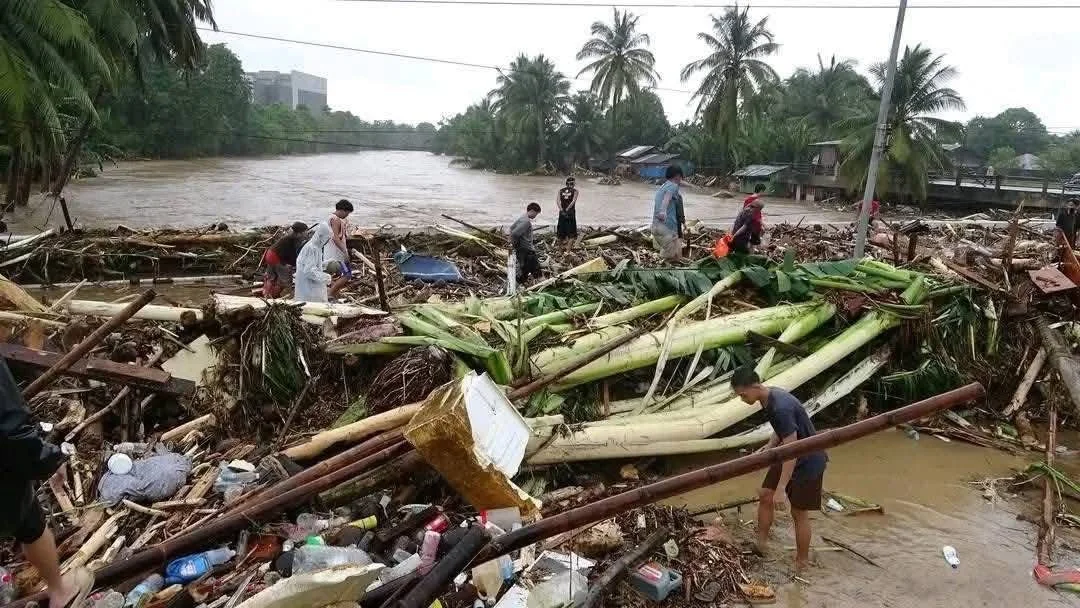
Frequent floods, typhoons, and earthquakes in Mindanao and Northern Cebu leave families displaced, food insecure, and highly vulnerable. Supporting livelihoods restores independence, dignity, and resilience—reducing aid dependency and strengthening community bonds.
What We Did in 2025
Early Recovery Livelihood Support: 291 flood-affected families in Balabagan and Kapatagan received climate-resilient agricultural training and recovery kits.
Typhoon Tino & Cebu Earthquake Relief:
315 families received shelter repair, kitchenware, and water containers.
629 families received hygiene, household, and shelter supplies.
Community Empowerment:Local volunteer networks trained in disaster preparedness
Hygiene and WASH awareness sessions delivered
Door-to-door verification ensured aid reached the most vulnerable
What Changed
Families regained food production capability, rebuilt homes, and restored livelihoods. Communities strengthened local leadership and emergency response capacity.
Why Our Approach Works
Local-first, partnership-led programming ensures every intervention is culturally appropriate, accountable, and sustainable. Combining immediate relief with long-term livelihood restoration empowers communities rather than creating dependency.
What’s Next – 2026 Outlook
Today, our most time-sensitive intervention is in the Philippines, where 850 flood-affected families remain without essential household items.
In early February 2026, severe flooding caused by Tropical Depression Penha (Typhoon Basyang) affected thousands of families in Iligan City. While several barangays received assistance, Barangay Upper Hinaplanon remains underserved.
Floodwaters damaged bedding, cooking utensils, water containers, and shelter materials. Many families are sleeping on damp floors without mosquito protection or safe water storage.
Our partner is prepared to distribute emergency shelter and non-food assistance:
Sleeping mats
Mosquito nets
Blankets
Cooking kits
Shelter repair materials
If you would like to participate in this response, we welcome your support.
Ukraine – Mobile Healthcare for Communities Under Strain
Why Healthcare Remains a Priority
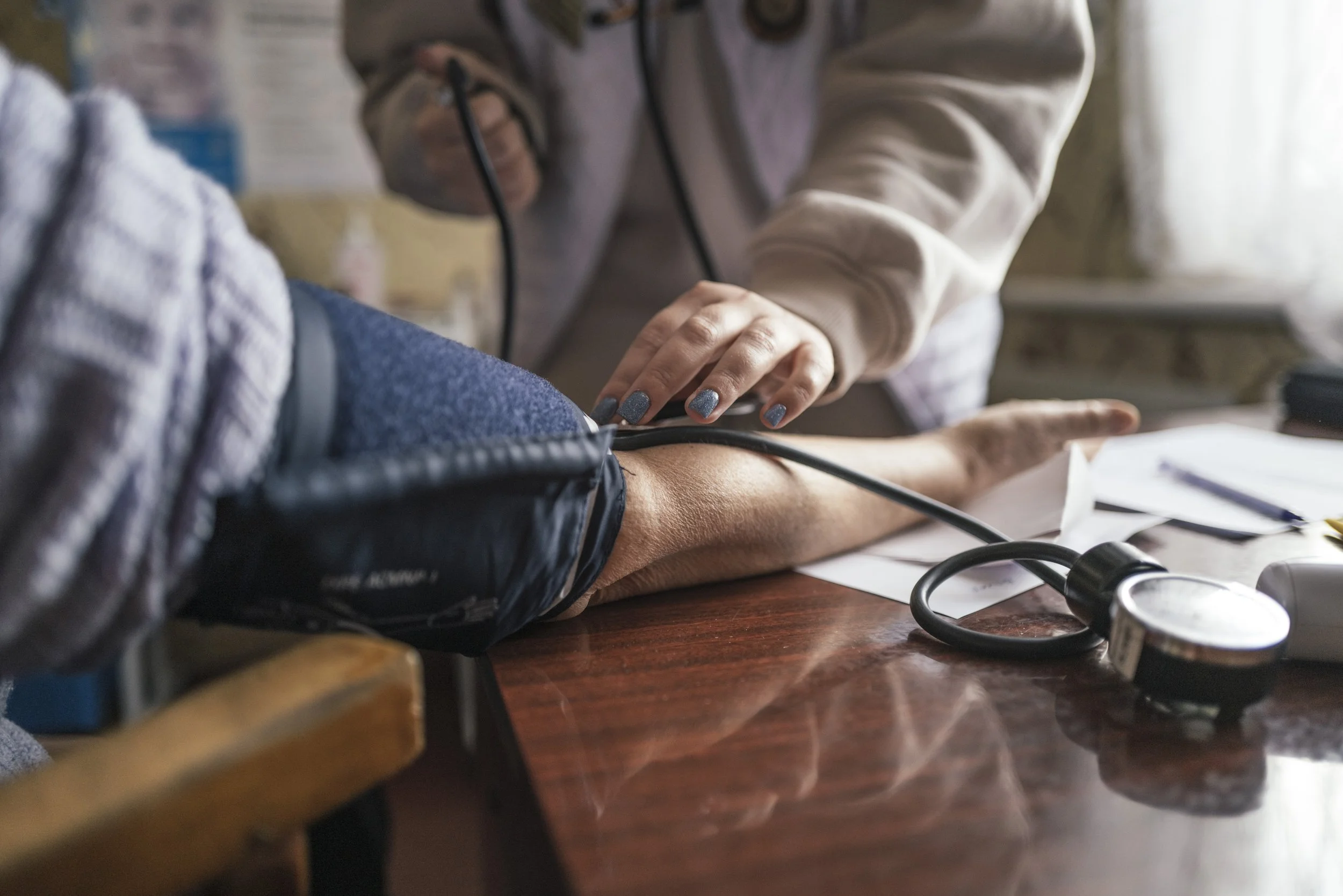
Ukraine’s civilian healthcare systems remain under extreme strain after four years of sustained conflict. Repeated attacks, population displacement, and workforce shortages have left millions without access to basic care. Chronic illness and psychological distress continue to rise, particularly among older adults, people with disabilities, women-led households, and internally displaced persons. Mobile, locally coordinated healthcare is essential to reach those who cannot access hospitals safely.
What We Did in 2025
Mobile Clinic Partnerships: Collaborated with MedGlobal to deliver a mobile clinic in the Kharkiv region.
Services Delivered:
585 patients treated for infectious diseases, chronic conditions, reproductive health, and non-communicable diseases.
105 participants in trauma-focused group sessions.
57 individuals received one-on-one counseling for stress, displacement, and exhaustion.
Targeted Outreach: Prioritized internally displaced persons, people with disabilities, and host community members.
Social Support Integration: Assisted with documentation, referrals, and family-centered recreational activities for children.
What Changed
These interventions created holistic, patient-centered care that addressed physical, psychological, and social needs. Communities that had limited access to care now had reliable, flexible services while local health professionals strengthened coordination and capacity.
Why Our Approach Works
Flexible, relationship-based care prevents avoidable suffering and supports resilience. By integrating mental health, chronic illness management, and social support, our approach reinforces local systems rather than replacing them.
What’s Next – 2026 Outlook
We will continue supporting frontline and hard-to-reach communities with:
Primary healthcare access
Chronic disease management
Mental health support for displaced populations
Adaptive mobile service delivery
Project Menu (Illustrative)
$500 – Supplies for mobile clinic visits
$1,500 – Mental health session support
$2,500 – Chronic illness management kits
$5,000 – Mobile clinic staffing and transport
Jordan – SAMS: Expanding Mental Health & Psychosocial Support
Why Mental Health Matters Now
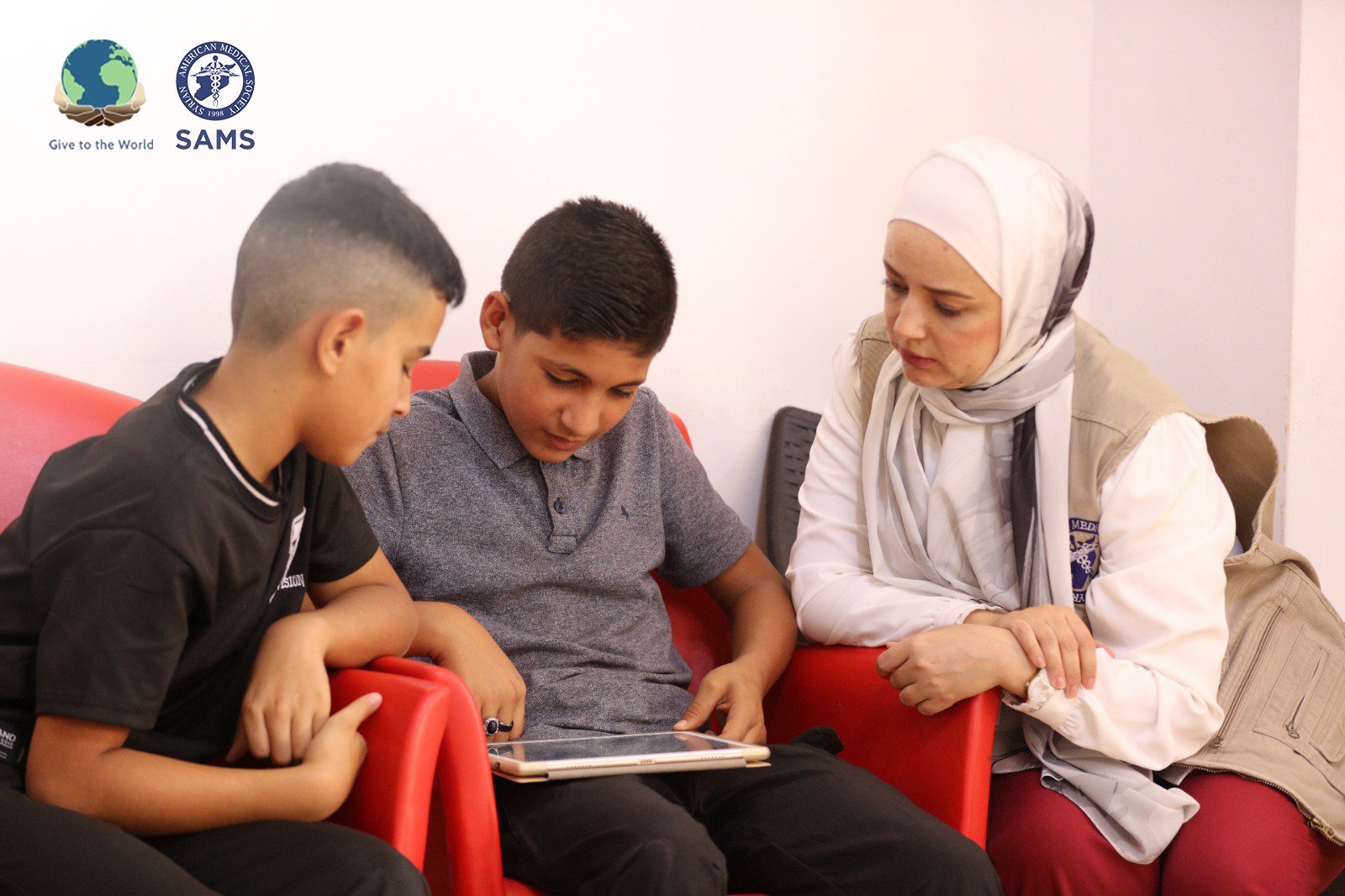
Prolonged displacement, economic hardship, and reduced access to services create rising mental health needs among refugees and host communities. Without intervention, anxiety, depression, PTSD, and trauma persist, undermining individual and community resilience.
What We Did in 2025
SAMS Helping Hands Program: 3886 participants (58% women) received individual, group, and family-based therapy.
Adolescent-Focused Interventions: 10–12 week cycles combining cognitive behavioral techniques and interactive learning, developing youth leadership and peer advocacy.
Medication Management: 82% of participants requiring psychiatric medication received treatment.
What Changed
Communities now have stronger coping mechanisms, improved adolescent resilience, and increased access to culturally appropriate mental health care.
Why Our Approach Works
Integrating clinical, psychosocial, and community-based interventions ensures continuity of care and scalable impact. SAMS’ local expertise ensures interventions are flexible and trauma-informed.
What’s Next – 2026 Outlook
Continued delivery of mental health services for refugees and underserved populations, focusing on:
Individual, group, and family therapy
Adolescent psychosocial programs
Trauma-informed care for displaced populations
Project Menu (Illustrative)
$500 – Group therapy participant support
$1,000 – Trauma-informed session delivery
$2,500 – Suicide prevention and substance abuse group sessions
$5,000 – Part-time multidisciplinary MHPSS team support
$10,000 – Full program implementation
Somalia – Bancroft CIMIC: Medical Care & Community Resilience

Why Healthcare & Education Matter Now
Conflict, displacement, disease, and environmental shocks leave civilians with minimal access to care and education. Supporting both healthcare and community infrastructure strengthens stability and trust.
What We Did in 2025
Hospital-Based CIMIC Care: 5,424 civilians received consultations, maternal care, pediatric care, and diagnostics.
Field Outreach: 1,495 civilians treated in villages with mobile clinics, including nutrition, hygiene, and maternal support.
Education Support: Solar generators and panels installed at SNA Village School; teacher training and school supplies distributed.
What Changed
Civilians gained access to essential care, maternal health services improved, schoolchildren had electricity and supplies, and trust between communities and security forces was strengthened.
Why Our Approach Works
Civil-military partnerships allow care delivery to remote, liberated areas while building local ownership and sustainable access. Integrating education, hygiene, and health reinforces dignity and long-term resilience.
What’s Next – 2026 Outlook
Continue mobile CIMIC medical outreach
Support operational needs of SNA Village School
Expand post-liberation community resilience programs
Project Menu (Illustrative)
$2,000 – One mobile CIMIC medical event
$1,500 – Water tank for SNA Village School
$4,200 – Desks & chairs for 140 students
$1,500 – Textbooks, sports equipment, stationery
Kenya – CFK Africa: Holistic Youth Leadership
Why Education Matters Now
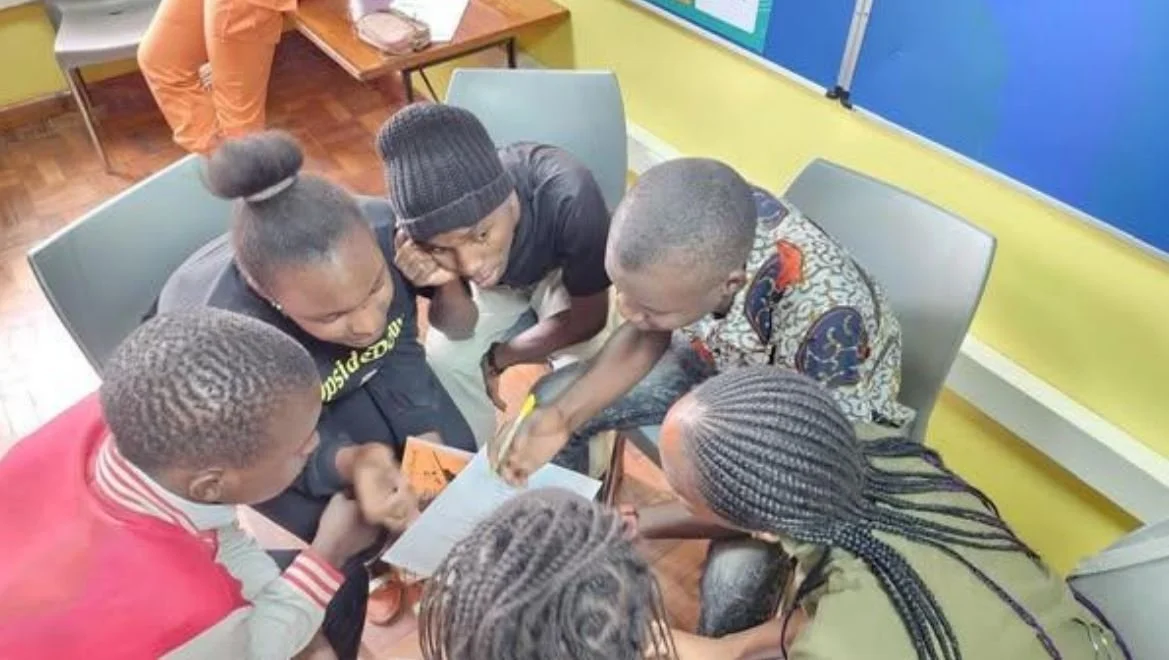
Secondary education is fragile in informal settlements. Fewer than 15% of students progress from grade 8 to high school. Youth face economic stress, caregiving pressures, and limited mentorship. Supporting secondary education at this stage builds resilience and leadership for the next generation.
What We Did in 2025
20 study camps delivered academic reinforcement
8 mentorship and leadership sessions
1 learning visit and 1 annual student review
Student Outcomes: Improved academic engagement, self-confidence, and peer leadership, illustrated by Mercy, now pursuing a Bachelor of Science after receiving CFK scholarship support.
What Changed
Students gained structured support, continuity of care, and leadership development, improving retention and long-term educational outcomes.
Why Our Approach Works
A holistic, mentorship-driven model ensures youth remain engaged during critical adolescence, providing support both in and out of the classroom.
What’s Next – 2026 Outlook
CFK Africa will serve up to 150 students with study camps, mentorship, leadership development, alumni engagement, and reflection opportunities across 30 structured sessions.
Project Menu (Illustrative)
$110 – Student mentorship and study programming
$550 – Study session serving 150 students
Colombia - Tierra Grata
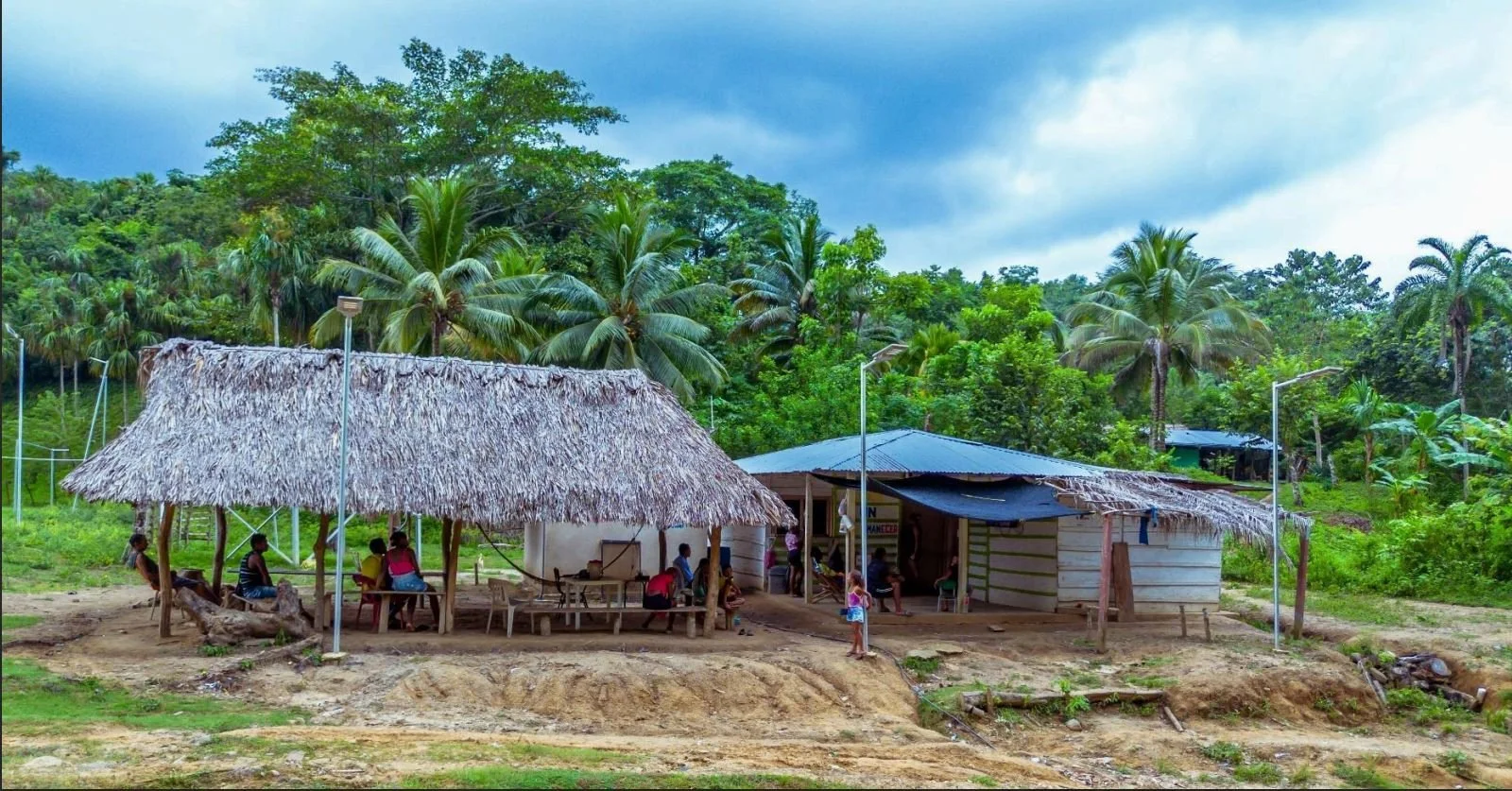
Why Energy Access and Education Matter Now
Rural communities in La Guajira, particularly Wayúu Indigenous rancherías, face significant gaps in access to electricity and basic services. Without lighting or grid infrastructure, communities are limited to daylight hours, reducing mobility, safety, economic activity, and access to education. Expanding decentralized energy and strengthening rural schools are critical to improving daily life and long-term opportunity.
What We Did in 2025
Through our partnership with Tierra Grata, Give to the World implemented Project Noche Grata, bringing sustainable lighting to rural communities.
Installed 76 solar community streetlights across 9 rural communities
Benefited 1,081 individuals through improved safety and mobility after sunset
Used participatory community processes to identify high-use locations such as paths, schools, and gathering areas
Trained local “Guardians of the Light” to maintain systems and promote shared community responsibility
What Changed
Communities now experience safer nighttime movement, stronger social interaction, and increased opportunities for evening activities. Public spaces such as schools and gathering areas remain active after sunset, improving daily life and strengthening community cohesion.
Why Our Approach Works
Projects are designed and implemented with communities, not for them. Through Tierra Grata’s social intervention model, residents contribute labor, select installation locations, and elect local maintenance leaders—ensuring ownership, sustainability, and long-term impact.
What’s Next – 2026 Outlook
In 2026, Give to the World and Tierra Grata will expand impact through Escuela Grata, supporting six rural schools in Cauca and Montes de María—regions historically affected by armed conflict and limited access to basic services.
Planned activities include:
Solar energy systems powering classrooms and connectivity
Water filtration systems delivering safe drinking water
Improved sanitation facilities supporting hygiene and dignity
Satellite internet access for students and teachers
Digital pedagogy training for educators
This program will benefit 136 students and 15 teachers, transforming schools into resilient centers of learning and community life.
Project Menu (Illustrative)
$1,000 – Strengthens learning conditions in one rural school
Supports priority upgrades such as safe water, sanitation, connectivity, or educational resources.
$2,500 – Advances a school toward full functionality
Contributes to multiple infrastructure and learning improvements.
$5,000 – Drives meaningful transformation in one school
Supports integrated improvements including infrastructure, teacher training, and community engagement.
$10,000 – Enables comprehensive school transformation
When pooled, helps deliver energy, water, sanitation, and digital access in high-need rural schools.