Jordan- Expanding Mental Health Care for Displaced and Host Communities
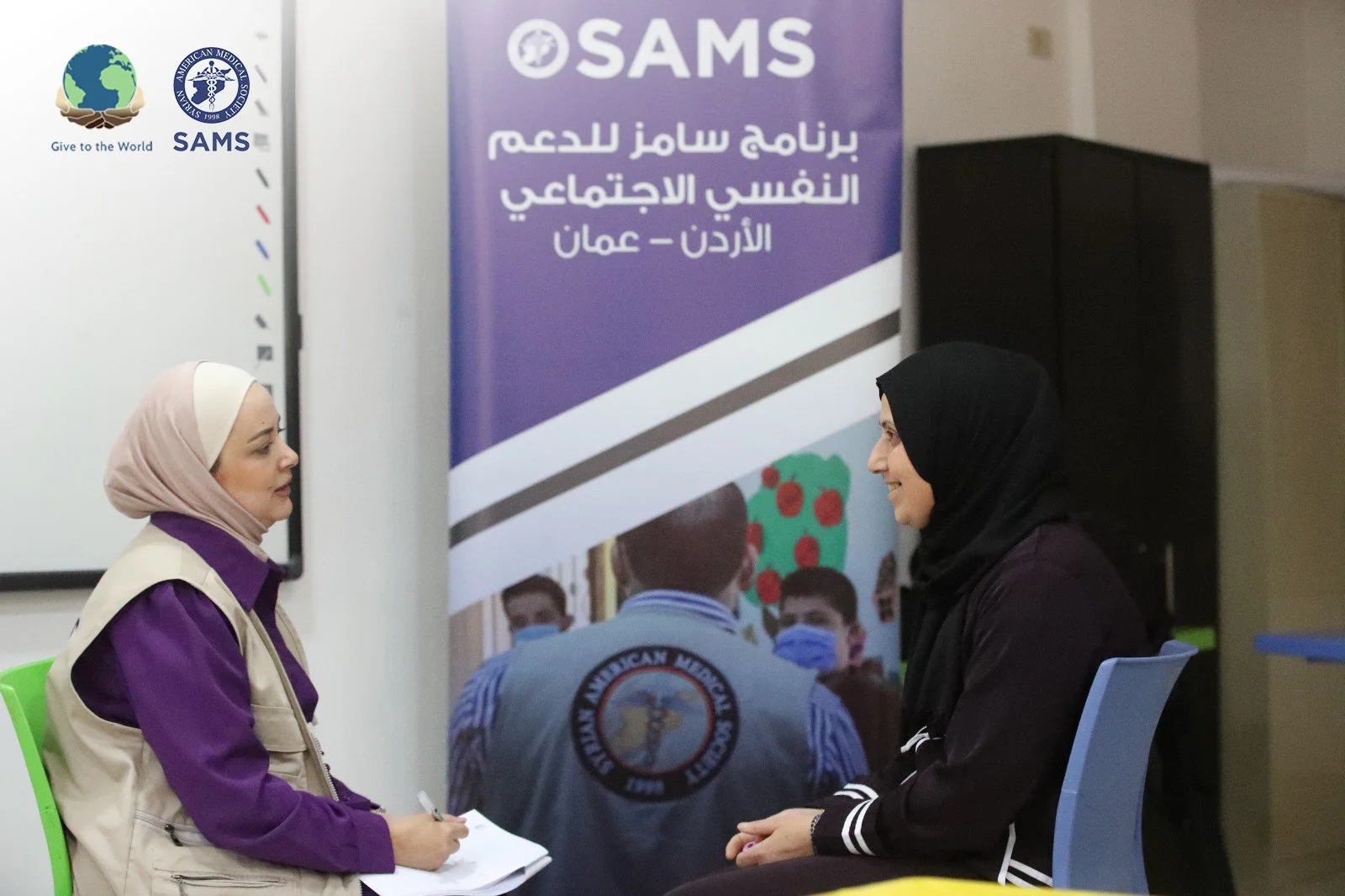
In 2025, Give to the World’s partnership with the Syrian American Medical Society (SAMS) Foundation in Jordan continued to deepen as mental health needs across the country steadily increased. While Syrian refugees remain a significant portion of those seeking care, SAMS teams are increasingly serving a broader range of displaced and vulnerable populations, including Iraqis, Yemenis, Sudanese, Palestinians, and underserved members of host communities. This diversification of caseloads reflects shifting displacement dynamics in Jordan and the sustained strain placed on national health and social systems.
Prolonged displacement, rising socioeconomic hardship, unstable housing and employment, and the ongoing reduction of Mental Health and Psychosocial Support (MHPSS) services nationwide have sharply increased demand for comprehensive, culturally appropriate mental health care. In Northern and Southern Jordan, SAMS remains the only organization providing specialized, multidisciplinary MHPSS services, with referrals from individuals and organizations increasing by approximately 40% in 2025 alone.
Through Give to the World’s support, SAMS delivered integrated mental health care to individuals and families using a model that combines individual psychotherapy, group-based interventions, family-centered care, and psychiatric medication management. This approach ensures continuity of care for patients experiencing anxiety, depression, post-traumatic stress disorder (PTSD), suicidal ideation, and other trauma-related conditions.
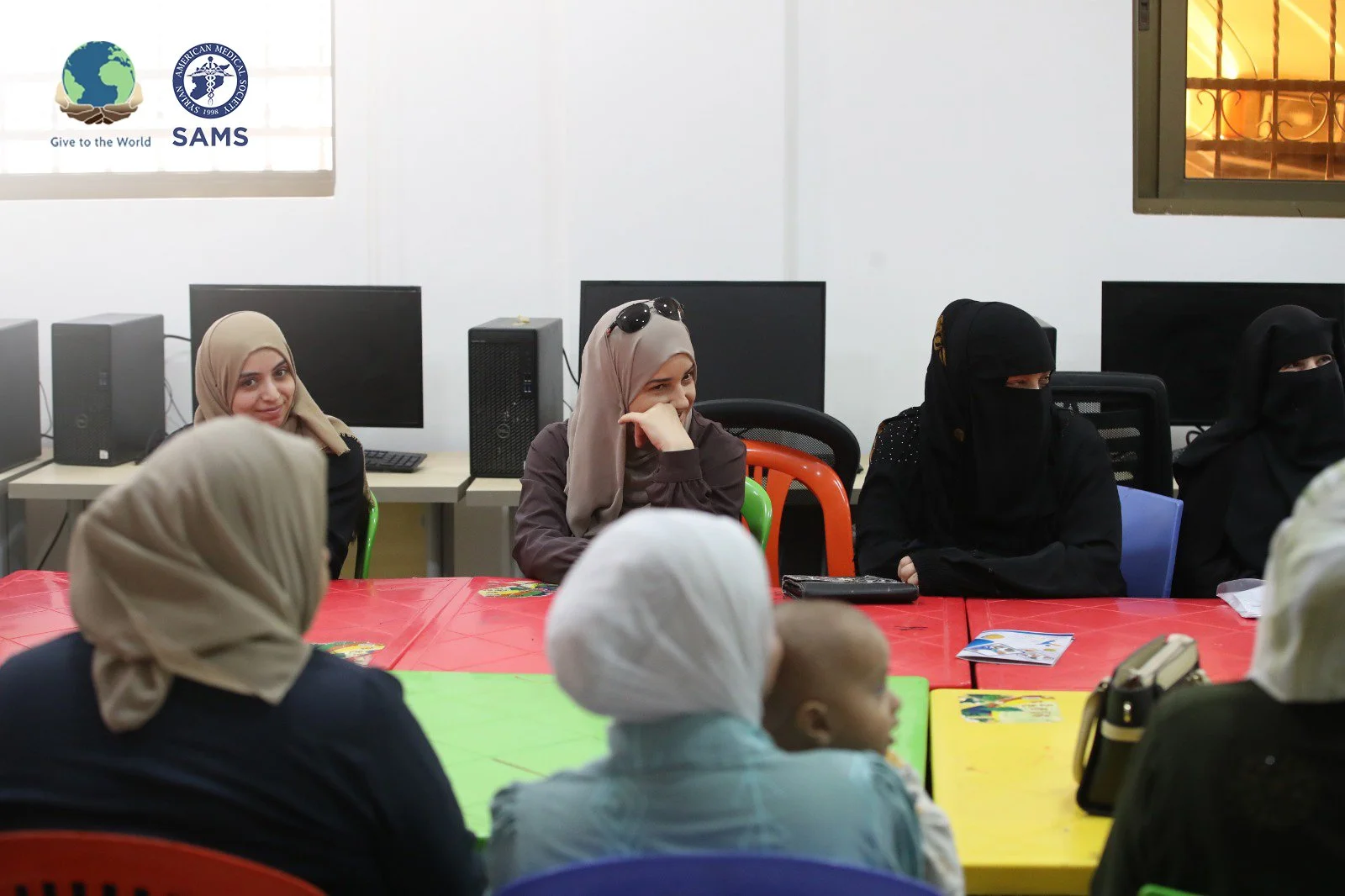
Beyond clinical services, SAMS continued to strengthen community-based mental health capacity through prevention, awareness, and early intervention initiatives. These efforts are critical in a context where stigma, limited access, and economic barriers prevent many people from seeking care until symptoms become severe.
Supporting Adolescents Through the Helping Hands Program
One of the cornerstone interventions supported in 2025 was the SAMS Helping Hands program, a psychosocial support initiative for adolescents developed by Dr. Solfrid Raknes and Attensi. Designed specifically for youth affected by conflict and displacement, Helping Hands addresses the unique mental health challenges faced by adolescents navigating trauma, loss, identity development, and peer pressure.
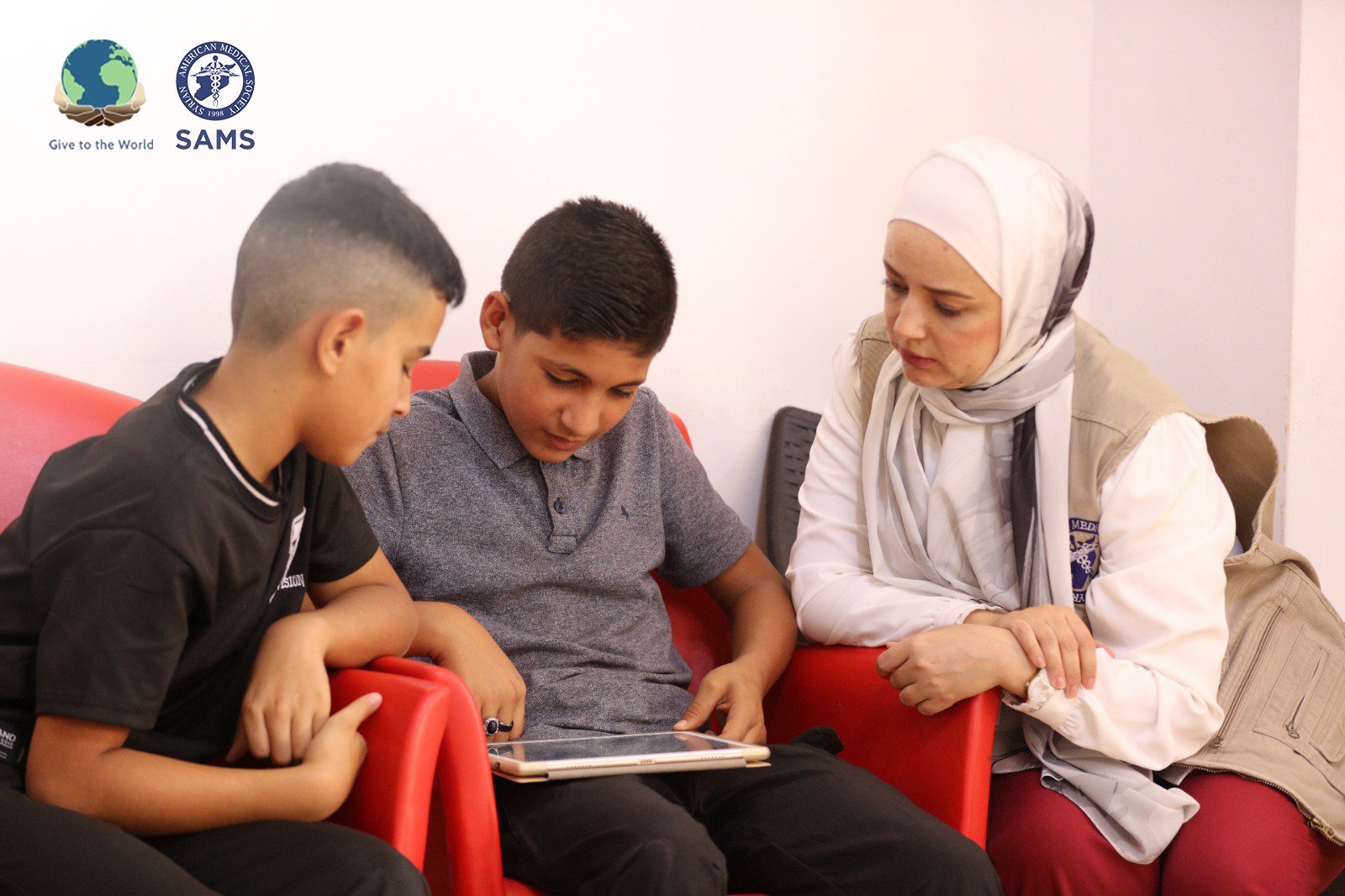
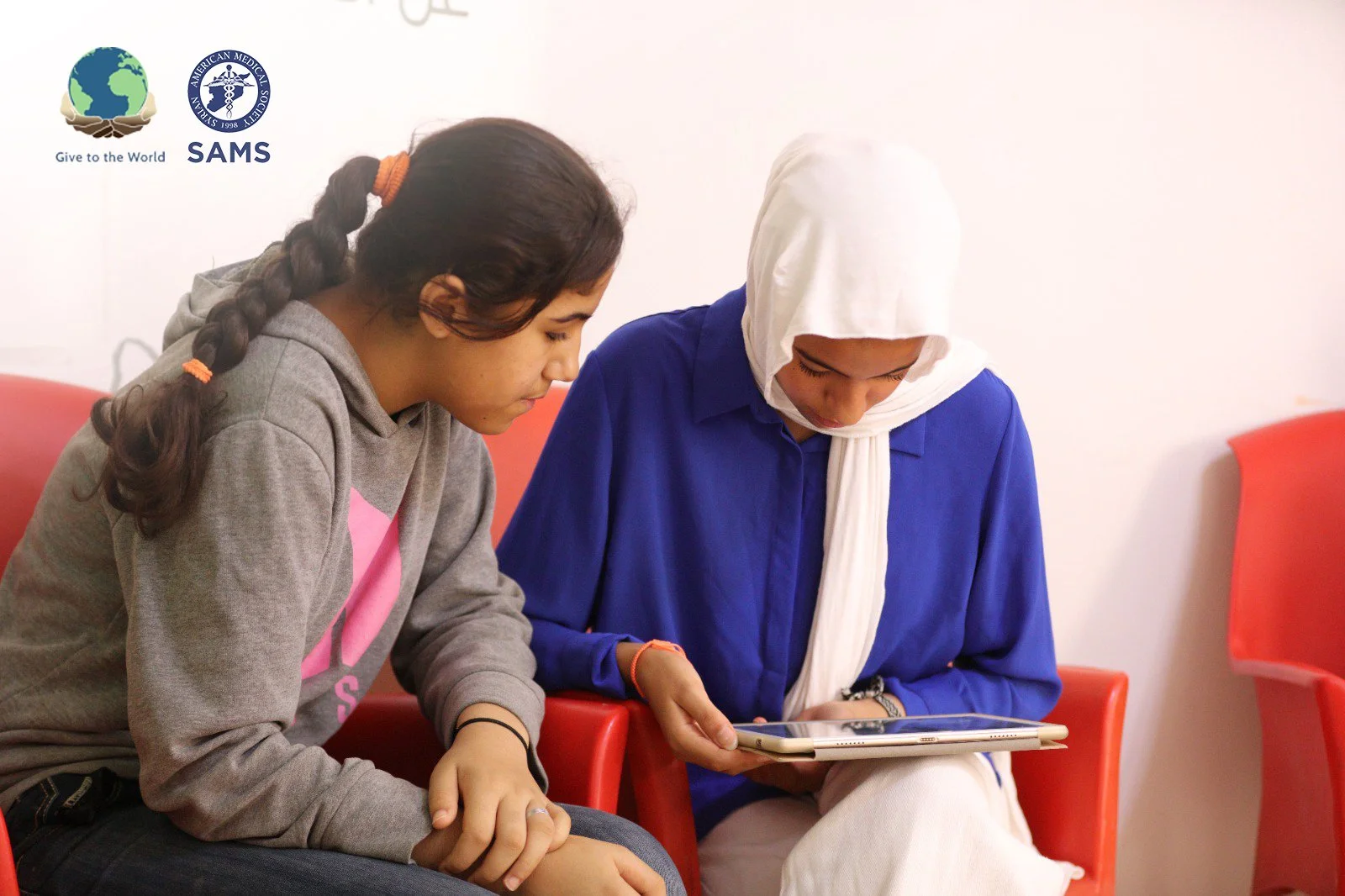
The program integrates evidence-based cognitive behavioral techniques with interactive learning technology through a game-based format. Adolescents engage in psychosocial scenarios addressing topics such as bullying, body image, traumatic memories, anxiety, heartbreak, self-criticism, and suicidal ideation. Over a 10–12 week cycle, participants meet in facilitated peer groups led by trained SAMS mental health professionals.
Helping Hands not only strengthens individual coping skills and emotional resilience, but also creates pathways for youth leadership. Participants are encouraged to become peer advocates, promoting mental health awareness within their communities and extending the reach of psychosocial support beyond formal clinical settings. This multi-layered approach supports adolescents, caregivers, and communities simultaneously—an essential strategy in protracted displacement settings.
Key Achievements in 2025
Beneficiaries impacted: 3886 participants (58% women)
82% of participants who required psychiatric medication successfully received appropriate prescriptions, in compliance with national guidelines
Expanded access to individual, group, and family-based therapy across multiple nationalities
Continued scale-up of adolescent-focused psychosocial programming and frontline provider training
Why This Work Matters
As of late 2025, more than 436,000 refugees are registered with UNHCR in Jordan, the majority of whom are Syrians. Refugees and underserved host communities face compounding challenges: prolonged displacement, unresolved trauma, economic instability, and shrinking access to essential services. Mental health distress—particularly among women, children, and caregivers—continues to rise.
At the same time, reductions in MHPSS funding across the country have increased pressure on remaining providers. SAMS’ role as the primary provider of specialized MHPSS in Northern and Southern Jordan makes sustained support essential—not only to maintain services, but to prevent further deterioration in mental health outcomes across vulnerable communities.
A Story of Healing: S.A. — “My Turning Point”
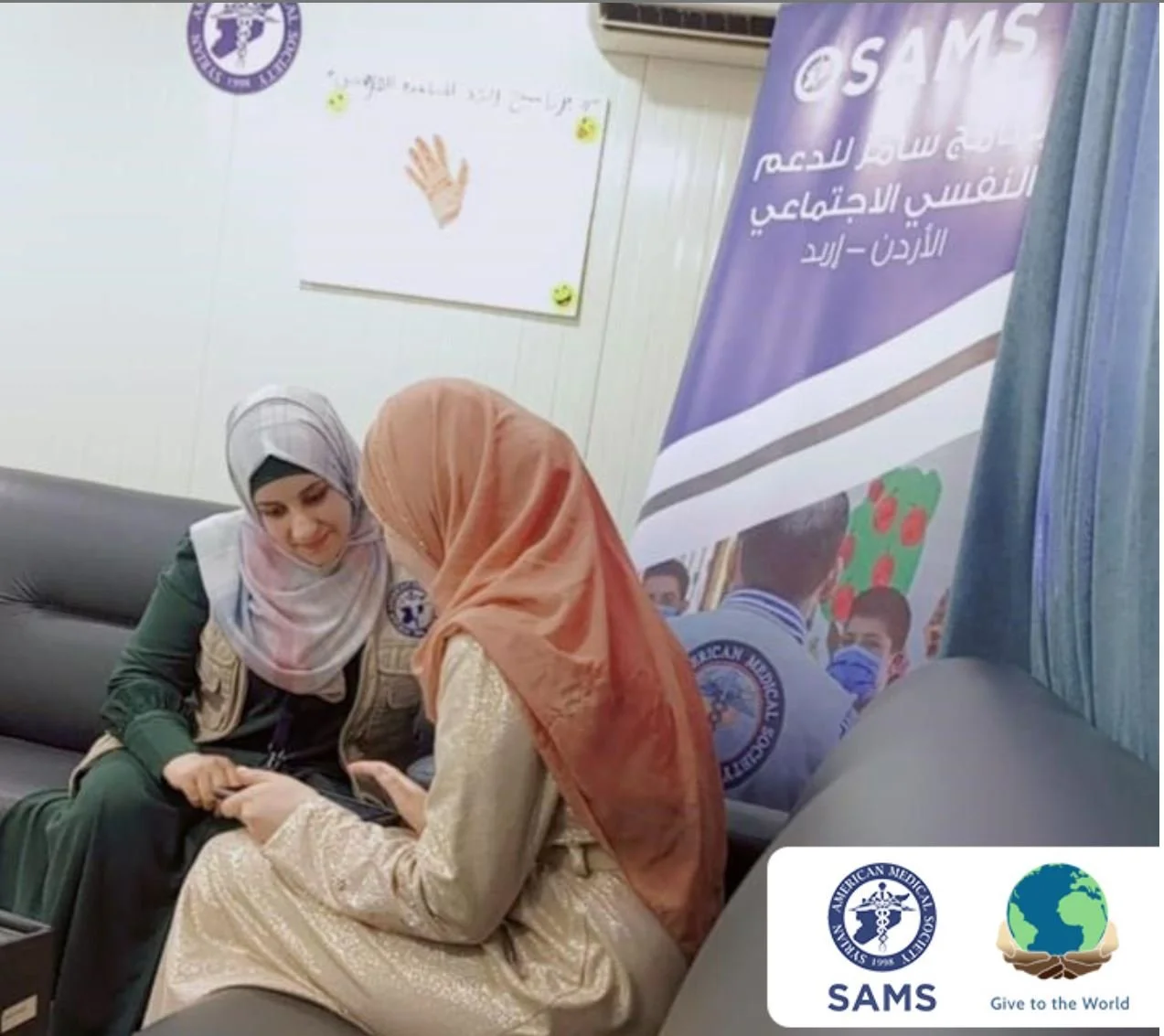
“You saved me from one of the darkest chapters of my life.”
S.A., a 46-year-old Syrian woman, once lived a life filled with purpose. A midwife and nurse by training, she was deeply connected to her community and proud of her work. Displacement changed everything. Losing her home and profession, combined with the responsibility of caring for a large family, led to overwhelming psychological, social, and economic strain.
When S.A. arrived at the SAMS psychosocial support center, she was experiencing severe symptoms of major depression—persistent low mood, insomnia, loss of appetite, physical pain, guilt, and profound hopelessness. She described feeling disconnected from herself and the world around her.
Through coordinated care, S.A. was referred to a SAMS psychiatrist for appropriate medication and began regular therapy sessions with a mental health specialist. Using cognitive behavioral techniques, therapy became a space for her to challenge deeply ingrained negative thoughts, rebuild self-worth, and develop practical coping strategies.
Over time, S.A.’s symptoms eased. She regained motivation, reconnected with her family, and began to see herself not as a victim of circumstance, but as a resilient woman capable of healing and growth.
Today, S.A. has completed her treatment journey. She is once again an active, present mother and approaches daily life with renewed emotional balance and hope.
“I thank SAMS for the mental health services they offer to the community,” she shared. “I was in a dark place, and now I can see the light again.”
2026 PROJECT MENU
Mental Health & Psychosocial Support in Jordan
As Jordan enters another year of prolonged displacement and constrained humanitarian funding, the need for sustained, high-quality mental health and psychosocial support remains urgent. Refugees and underserved host communities continue to face compounded pressures from unresolved trauma, economic instability, and limited access to essential services. At the same time, reductions in MHPSS programs nationwide have increased pressure on remaining providers, even as demand continues to grow across multiple displaced populations.
In this environment, SAMS Jordan plays a critical role in ensuring continuity of care for individuals and families who might otherwise go without support. While Syrian refugees remain a significant portion of those seeking services, SAMS’ caseload increasingly reflects broader displacement dynamics, including Iraqis, Yemenis, Sudanese, Palestinians, and vulnerable members of host communities. This shift underscores the importance of flexible, culturally appropriate, and trauma-informed mental health care that responds to need rather than nationality alone.
Illustrative donation menu
$500 – Contributes to participant support costs for group therapy and prevention sessions, including transportation and refreshments
$1,000 – Supports delivery of trauma-informed mental health and psychosocial support sessions facilitated by SAMS’ MHPSS team
$2,500 – Contributes to suicide prevention and substance abuse group sessions, including facilitator time and direct session costs
$5,000 – Supports the part-time multidisciplinary MHPSS team (psychologist, counselor, and case manager) delivering structured group services
$10,000 – Contributes to overall implementation of the MHPSS program, combining essential personnel, group therapy, prevention activities, and participant support
All amounts are illustrative examples of how contributions support the overall approved MHPSS program and do not represent stand-alone or earmarked activities.